Water Safety Resources + Safety Tips
One place for LakeSafe safety tips, family checklists, and trusted shareable resources. Practical guidance on life jackets, cold water, emergency response, swimming access, safe boating, and partner resources.
What partners & media are saying
Independent coverage from organizations working alongside LakeSafe.
 Issaquah Spotlight
Lake Sammamish Adds 50 New Life Jackets for Beachgoers
Reporter Zoë Buchli covers LakeSafe’s milestone deployment of approximately 50 new life jackets at Tibbetts Beach, Sunset Beach, and the Boat Launch — arriving exactly one year after LakeSafe Initiative began.
Read the full story → KIRO 7 News
Teen-Led Initiative Aims to Prevent Drownings
KIRO 7 features LakeSafe founder Mudra Machewad and the youth-led mission to prevent open-water drownings across King County, reaching Eastside families during peak summer season.
Watch the segment → YMCA, Sammamish Community & Aquatic Center
Making Water Safety Visible in Our Community
The Sammamish YMCA traces the full LakeSafe story, from a local idea to Confluence 2026, and the YMCA’s $30,000+ commitment to free swim lessons and water safety programming for Eastside families this summer.
Read the full piece → Sammamish Independent
Officials Urge Open-Water Safety Following Lake Sammamish Drownings
Local officials and community partners call for heightened open-water safety awareness following recent drownings at Lake Sammamish highlighting LakeSafe’s ongoing prevention work as part of the community response.
Read the full article → Sammamish Neighbors
One Evening at the Lake Changed Everything
The August issue features LakeSafe’s Confluence 2026 story covering the 18+ partner commitments, on-site summer activations, and the community-wide belief that every life on the water matters.
View full article (PDF) → Influence the Choice
From Our Community to the National Stage: The LakeSafe Initiative and the Power of Youth-Led Prevention
ITC celebrates TECH Youth Coalition member Mudra Machewad’s national CADCA panelist appearance showing how a youth-led local initiative can reach and inspire prevention communities across the country.
Read the full post → CADCA, National Youth Leadership Council
Youth-Led Prevention: LakeSafe Initiative Featured on CADCA National Webinar
Mudra Machewad joined CADCA’s National Youth Leadership Council as a featured panelist, sharing how open-water drowning prevention and substance use prevention can be connected through youth-led community action.
Visit CADCA (webinar link not yet supplied) →Sammamish NeighborsNonprofit Spotlight: LakeSafe Initiative
Sammamish Neighbors spotlights LakeSafe, the youth-led effort to prevent open-water drownings through education, multilingual signage, life-jacket access, and 19+ community partners across the Eastside.
View full feature → National Safe Boating Council
One Life Jacket at a Time: How a High Schooler Is Building a Water Safety Movement on Lake Sammamish
A national feature spotlighting LakeSafe founder Mudra Machewad and the youth-led effort turning community loss into a coordinated, multi-partner drowning prevention movement at Lake Sammamish.
Read the full story →Influence the ChoiceThe Risk Starts on Dry Land: What Substance Use Has to Do With Water Safety
Explores how alcohol and other substances can increase drowning risk, and why safer decisions begin before anyone reaches the water.
Read the full post → FOX 13 Seattle, Studio 13 Live
LakeSafe Initiative Spreading Awareness for Water Safety
Studio 13 Live features LakeSafe founder Mudra Machewad on the youth-led initiative building a regional drowning prevention movement at Lake Sammamish. The first TV segment to bring LakeSafe’s mission to a broad Seattle-area audience.
Watch the segment →Speaker Series
Every conversation, keynote remark, and public commitment from Confluence 2026 — now on YouTube. Watch, share, and help us reach more families before they reach the water.

Julie Honn
CEO, Sammamish Chamber of Commerce

Rep. Janice Zahn
Asst. Majority Whip · WA State House, District 41
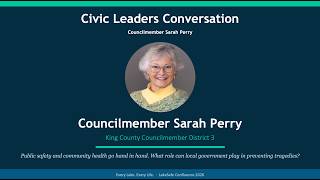
Councilmember Sarah Perry
King County Council, District 3
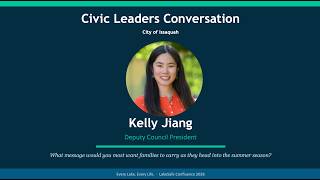
Kelly Jiang
Deputy Council President, City of Issaquah
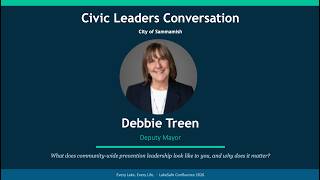
Deputy Mayor Debbie Treen
Sammamish City Council
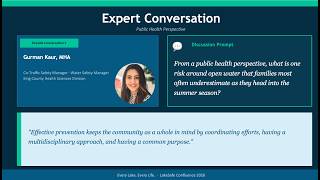
Gurman Kaur, MHA
Water Safety Manager, King County Public Health
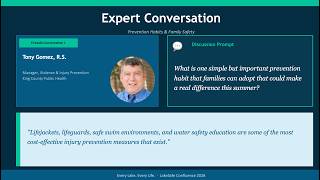
Tony Gomez, R.S.
Violence & Injury Prevention, King County Public Health
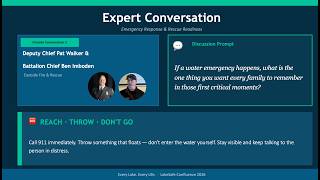
Pat Walker & Ben Imboden
Eastside Fire & Rescue
Kelly Martin
Branch Executive, Sammamish Community YMCA
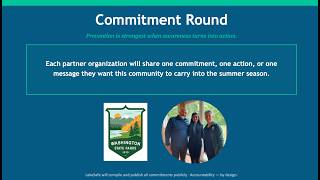
Kevin Goodrich
Northwest Region Manager, Washington State Parks
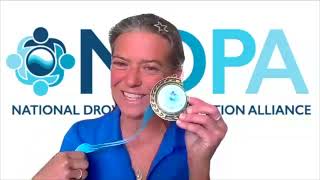
Alissa Magrum
Executive Director, National Drowning Prevention Alliance

Dr. Linda Quan
Physician Researcher, Seattle Children’s

Marnie Maraldo
Executive Director, Influence the Choice
Safety tips for every lake visit
- Stay where an adult can see you.
- Wear a life jacket near open water.
- Never swim alone — buddy system.
- No pushing or rough play near edges.
- If a friend is in trouble: get an adult fast.
- Follow signs and stop zones.
- Assign a water watcher (phone away).
- Life jackets for kids and weak swimmers.
- Watch weather, temperature, currents.
- Keep a float or throw ring nearby.
- Review emergency steps before entering.
- Model safe behavior — kids copy adults.
- Avoid alcohol and substances near or on the water.
- Head low, mouth at water level
- Quiet gasping — cannot call out
- Trying to roll onto back
- Vertical body, little or no kicking
- Eyes glassy, unfocused, or closed
Start here: practical guides for families
Simple, action-focused topics to scan before heading to the lake or share with your community.
Before You Go to the Lake
A quick checklist for families before swimming, paddling, or spending time near open water.
Life Jacket Loaner Stations
Free life jacket stations supporting safer visits at parks, launches, and high-use water areas.
Learn to Swim
Swimming skills build confidence and reduce risk. Know where to find lessons and practice.
Safe Boating + Life Jackets
National safe boating tools, life jacket reminders, and campaign materials for families and partners.
Cold Water Safety
Washington lakes can feel warm outside but remain dangerously cold. Know the risks before entering.
Emergency Response
Know what to do if someone is struggling in the water: call, throw, reach, and respond quickly.
Community Materials + Volunteer Support
Support outreach with printable materials, community event engagement, and social media awareness.
Substance Use + Water Safety
Alcohol and other substances can impair judgment and coordination near water. Know the risks before you arrive.
CPR + Emergency Readiness
CPR classes and infant/child training, including rescue-breath guidance for drowning emergencies.
Resource partner spotlight
Partner resources
Tap a button to open the resource.
Water Safety Tips for Families
General tips to keep your family safe in and around the water.
Life Jackets for Children & Teens
When to wear one, how to choose one, and how to use it correctly.
Water Safety for Children with Epilepsy or Seizures
Guidance for families to reduce risk and prepare confidently.
Water Safety for Children with Autism + Adaptive Swim Resources
Tailored guidance supporting safe learning and participation.
Life Jacket Fit and Use (Video)
Two ways to watch: short version or playlist version.
Community CPR Class Offerings (PE4378)
Free and low-cost CPR classes across the Puget Sound area, plus how-to videos for infant and child CPR.
Hands-Only CPR Resources — American Heart Association
AHA Hands-Only CPR resources for sudden cardiac arrest. For drowning emergencies, seek training that includes rescue breaths.
Water Safe Washington — Free K-8 Lesson
Standards-based lesson (approx. 50 min) with videos, group activities, and comprehension check. Bonus: science experiment, worksheets, coloring contest.
Water Safe Washington — StoryMap Overview
Visual, shareable overview built around 3 lifesaving messages: wear a life jacket; reach/throw (don’t go); watch for hazards.
Safe Boating Campaign — Free Resource Library
Free educational materials, flyers, infographics, outreach tools, and campaign assets for LakeSafe events and seasonal messaging.
Become a Safe Boating Campaign Partner
Free partnership with access to campaign materials, outreach ideas, social templates, banners, and community collaboration tools.
Waves of Hope
A prevention initiative honoring lives lost to boating-related tragedies and turning loss into awareness and safer action on the water.
National Safe Boating Week Toolkit
Ready-to-use campaign content including talking points, social media posts, press materials, videos, and images.
Healthy Youth Survey Data — Influence the Choice
Local Issaquah School District youth substance use data, community risk and protective factors.
Community Education + Youth Prevention Programs
ITC’s programs for youth, families, and communities including Action Forum for Youth, TECH Coalition, and community outreach events.
Easy-to-read safety sections for families
Before You Go to the Lake
A quick family checklist before swimming, paddling, or visiting open water.
- Check weather, wind, and water conditions before leaving home.
- Bring properly fitted life jackets for children, weak swimmers, and paddlers.
- Choose a designated water watcher whose only job is active supervision.
- Pack a phone, water, sunscreen, dry clothes, and a throwable object.
- Review your meeting point and what to do in an emergency.
- Plan to stay substance-free — alcohol and drugs are involved in most local drowning deaths.
Life Jacket Loaner Stations
Free life jacket stations make lake visits safer and more accessible for everyone.
- Many parks and boat launches offer free life jacket loaner stations for visitors.
- These stations help families borrow a jacket for the day if they do not have one.
- Especially helpful at high-use boating and swimming areas.
- Local partners, volunteers, and agencies help monitor and restock them.
Learn to Swim
Swimming skills help build confidence — always paired with supervision and caution in open water.
- Swimming lessons are one of the strongest protective factors against drowning.
- Children and adults should learn how to float, tread water, and safely exit the water.
- Look for community swim programs, YMCA lessons, and local pool classes.
- Water confidence should always be paired with supervision and life jacket use in open water.
Safe Boating + Life Jackets
Strong swimmers still need protection in open water and boating environments.
- Wear a properly fitted life jacket when boating, paddling, or near open water.
- Do not rely on swimming ability alone — conditions can change fast.
- Use partner campaign tools for outreach events, signage, flyers, and social posts.
- Talk about prevention before people enter the water.
Cold Water Safety
Warm air does not mean warm water. Washington lakes can still be dangerously cold.
- Even on hot days, lakes and rivers in Washington can be dangerously cold.
- Cold water shock can cause sudden gasping, panic, and loss of muscle control.
- Strong swimmers are still at risk in cold water.
- Wear a life jacket and enter slowly so your body can adjust.
What To Do in a Water Emergency
Quick action matters. Keep these steps easy to remember and easy to share.
- Call 911 immediately.
- Throw something that floats — a life ring, rope, or cooler.
- Use a long object to reach from shore or a dock if possible.
- Do not jump in unless you are trained and equipped for rescue.
- Once the person is safely out of the water, check responsiveness and normal breathing. If unresponsive and not breathing normally, start CPR and follow 911 dispatcher instructions; include rescue breaths if trained and able.
Community Materials + Volunteer Support
LakeSafe as a real community resource for outreach, events, and family education.
- LakeSafe can help share brochures, posters, social posts, and event handouts.
- Volunteers can support water safety events, youth engagement, and family education.
- Community partners can amplify seasonal campaigns and prevention messaging.
- This section will include downloadable materials in multiple languages.
Substance Use + Water Safety
Alcohol and other substances increase drowning risk. Prevention starts before you arrive.
- Alcohol impairs balance, coordination, and judgment — critical near open water.
- Combined with cold water shock, impairment shortens survival time significantly.
- Review local drowning data and the CDC’s evidence on alcohol-related risk; percentages vary by population and definition.
- If you plan to drink, designate a sober water watcher and stay out of the water.
- Youth are at compounded risk — alcohol also lowers life jacket use among teens.
CPR + Emergency Readiness
Knowing CPR before you arrive at the lake can make the difference.
- Drowning emergencies are different from sudden cardiac arrest: Call 911 and follow dispatcher instructions. If the person is unresponsive and not breathing normally, begin CPR. For drowning-related cardiac arrest, CPR with rescue breaths is recommended when you are trained and able. If you cannot provide breaths, give chest compressions rather than doing nothing. Use an AED as soon as available.
- Free local classes: Medic One Foundation offers free CPR/AED training. American Red Cross and AHA offer online and in-person options.
- Videos to practice at home: Infant CPR and Child CPR via KidsHealth — short and easy to share with families.
- CPR Anytime Kits from the AHA include a mini manikin so families can practice at home. Order a kit.
- Learn CPR — UW School of Medicine — free online CPR and choking first aid through video and pictures.
Research + campaign frameworks
Context for building effective drowning prevention campaigns, community education strategies, and open-water safety messaging.
Evaluation of a Drowning Prevention Campaign in a Vietnamese American Community
A published study examining a culturally tailored drowning prevention campaign in Seattle’s Vietnamese American community, led by Dr. Linda Quan.
Water Safety and Drowning Prevention — Seattle Children’s
Seattle Children’s water safety hub with local prevention guidance and practical family resources for Washington communities.
International Open Water Drowning Prevention Guidelines — ILSF
International guidance on open-water risk reduction, including supervision, life jackets, hazard awareness, rescue readiness, and safer behavior in lakes and rivers.
Water Safety Season Toolkit — NDPA
Campaign planning materials from the National Drowning Prevention Alliance including social posts, messaging assets, and seasonal awareness resources.
Alcohol + Drowning Risk Factors — CDC
CDC information on alcohol and other drowning risk factors. The share of deaths associated with alcohol varies by activity and population.
King County Open Water Drowning Data — Public Health
King County public-health data on drowning locations, trends, and prevention. Consult the source for the specific time period and definitions.